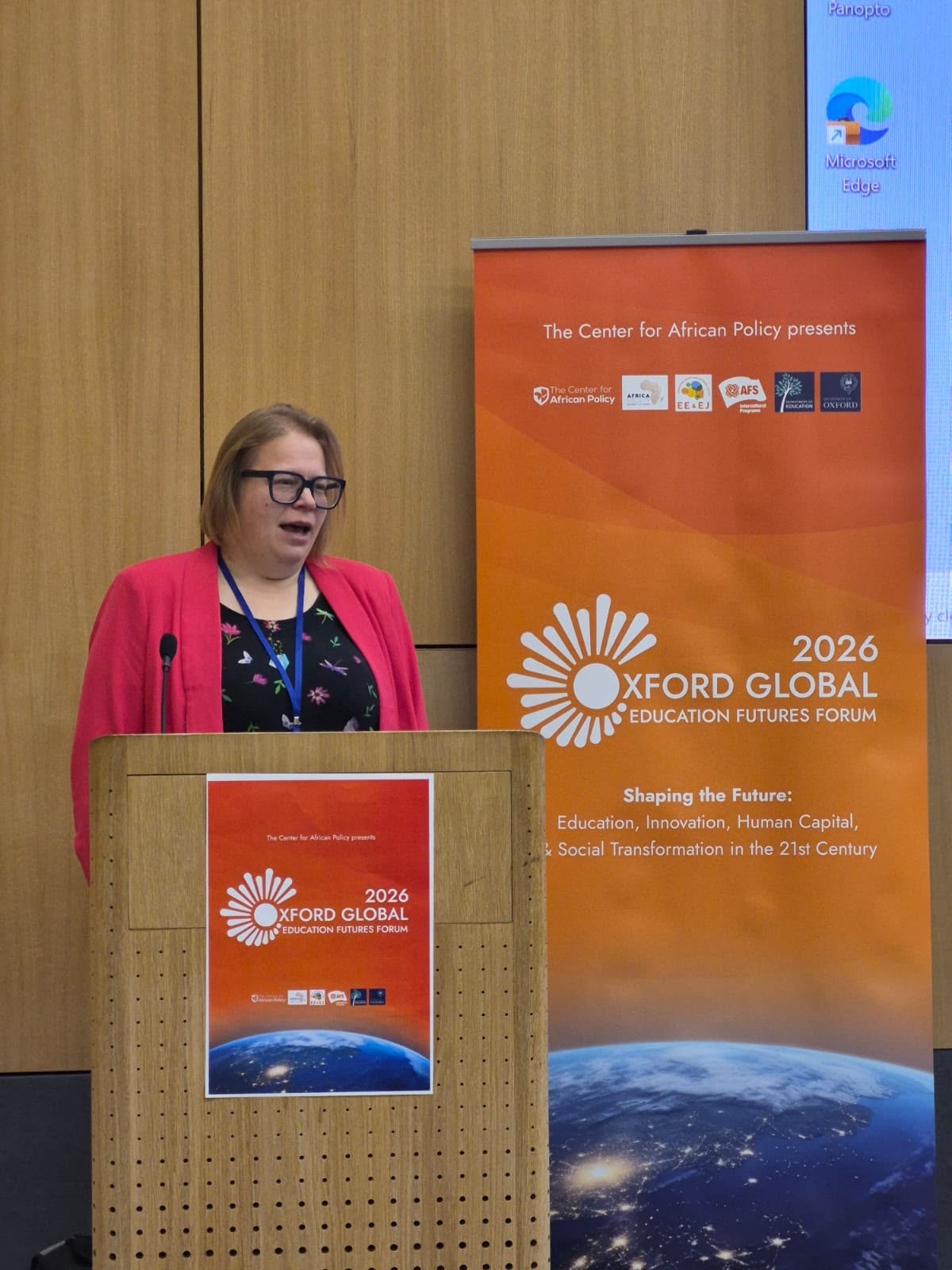

Oxford, 20 November 2026 – The Department of Education at the University of Oxford formally launched the Education, Equity and Epistemic Justice (EE&EJ) Research Network today at St Antony’s College, as part of the Oxford Global Education Futures Forum 2026. Dr Aliya Khalid (Oxford University) on behalf of the network convenors noted, ‘the EE&EJ network makes Oxford home for the conversations about a fair education for every child. We listen to the children, parents, communities and educators’. The launch was marked by a high-level panel, “Development, Equity and Education for All”, which brought together policymakers, diplomats, education advocates, academics and students to discuss whose knowledge shapes education and how education systems can reach the learners they too often leave behind. One of the co-convenors and organisers Khansa Maria described the network as a movement and invited the attendees to join in.
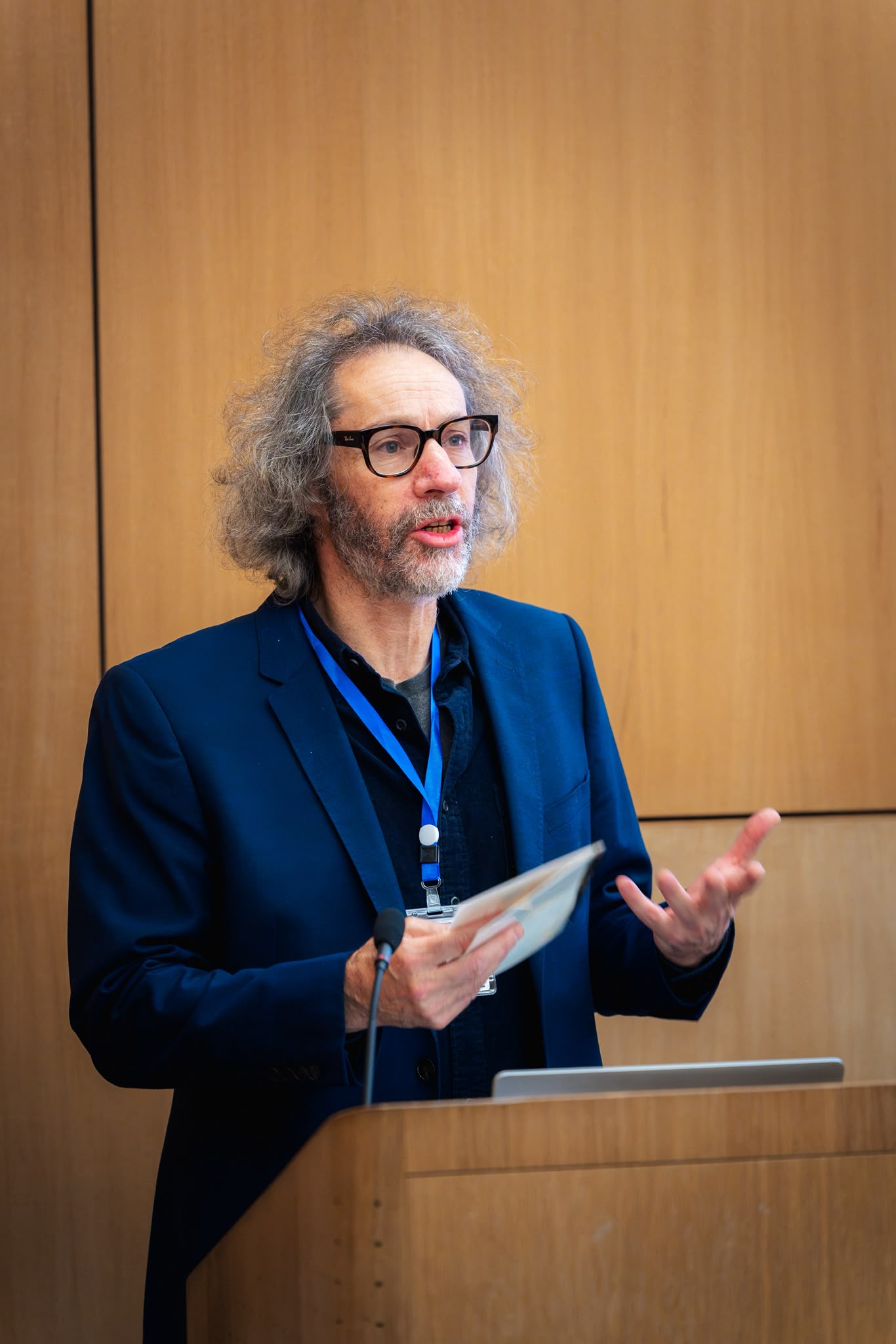
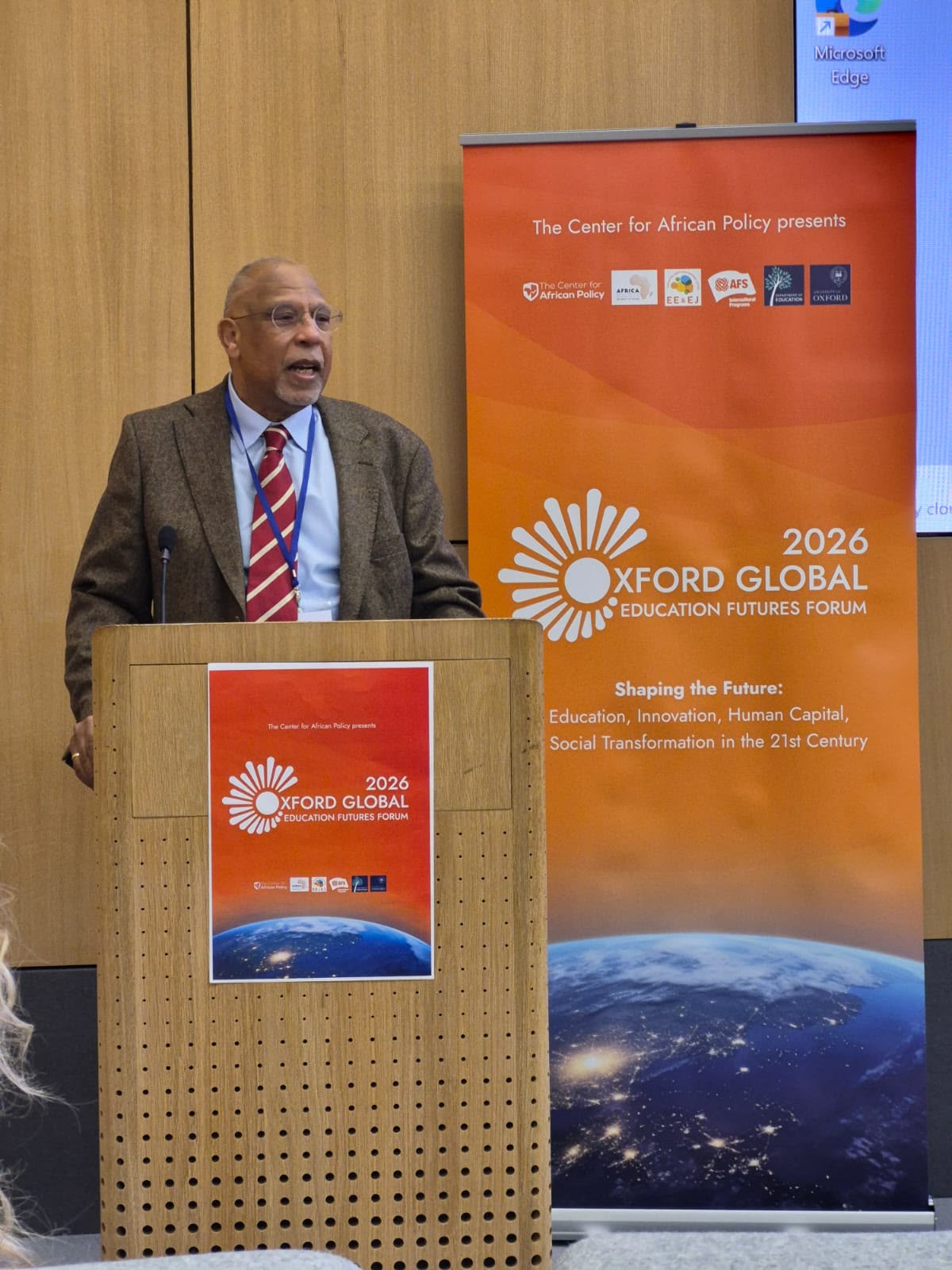
The event was formally opened by Professor Leon Feinstein, Director of the Department of Education, who welcomed guests to the launch.
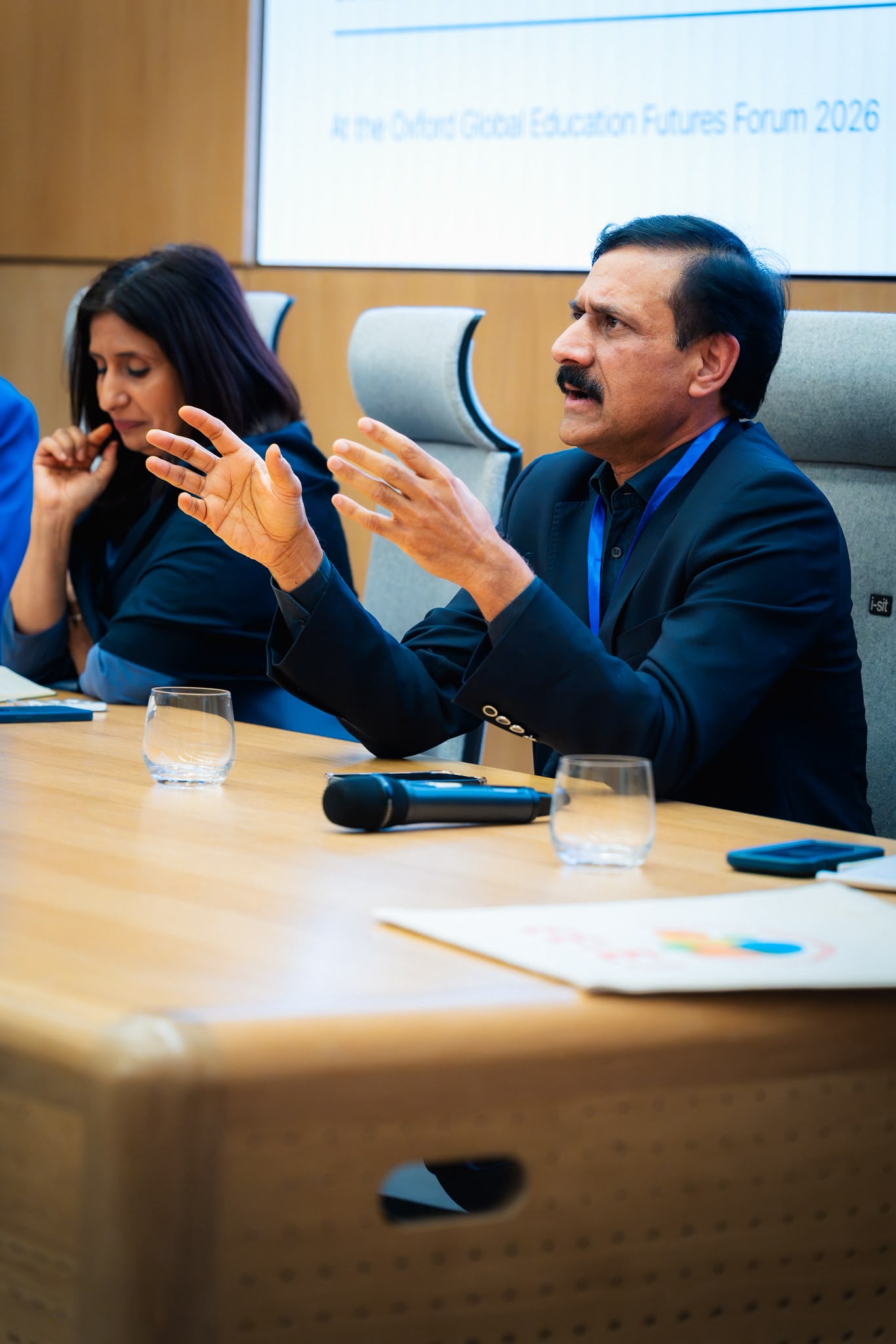
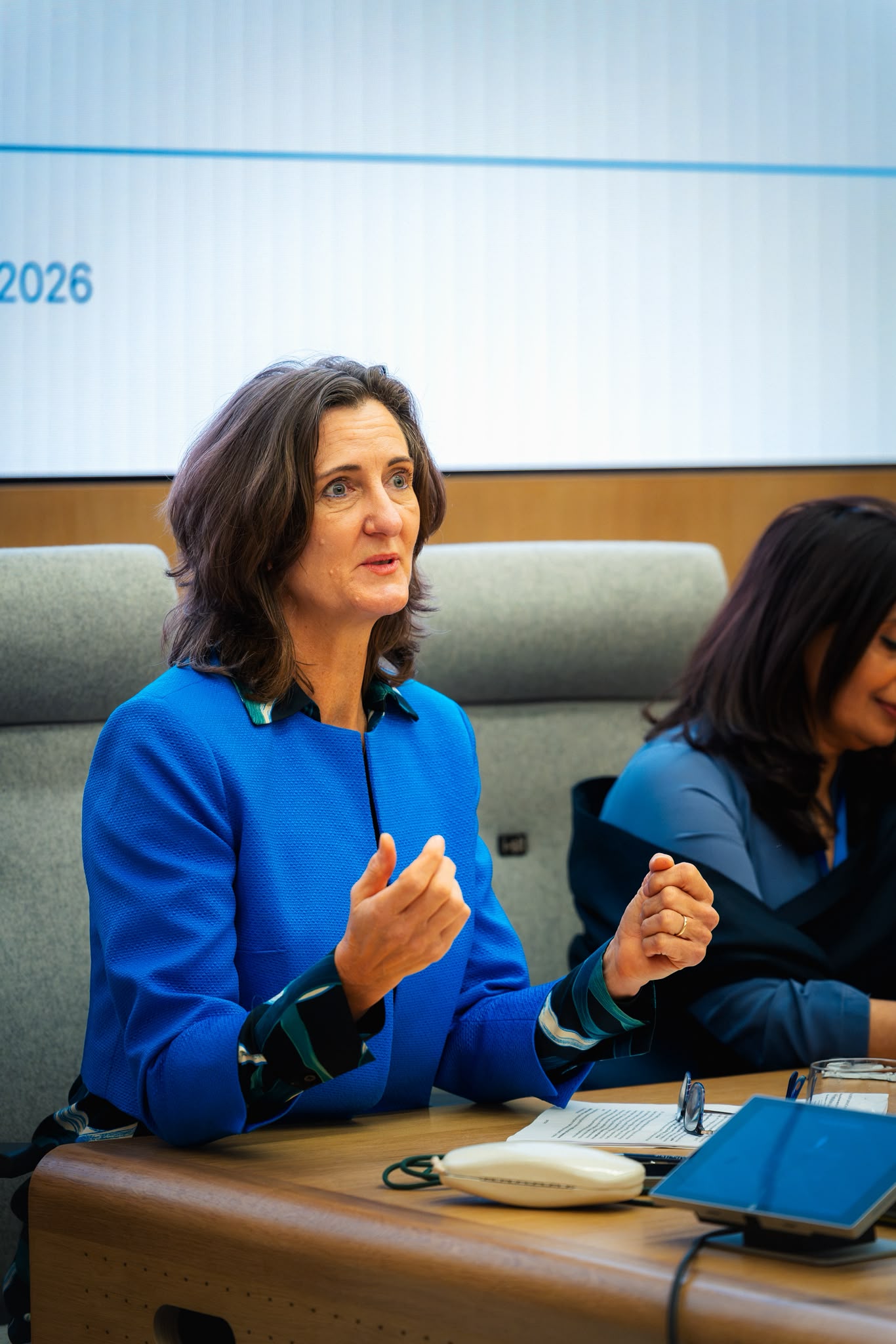
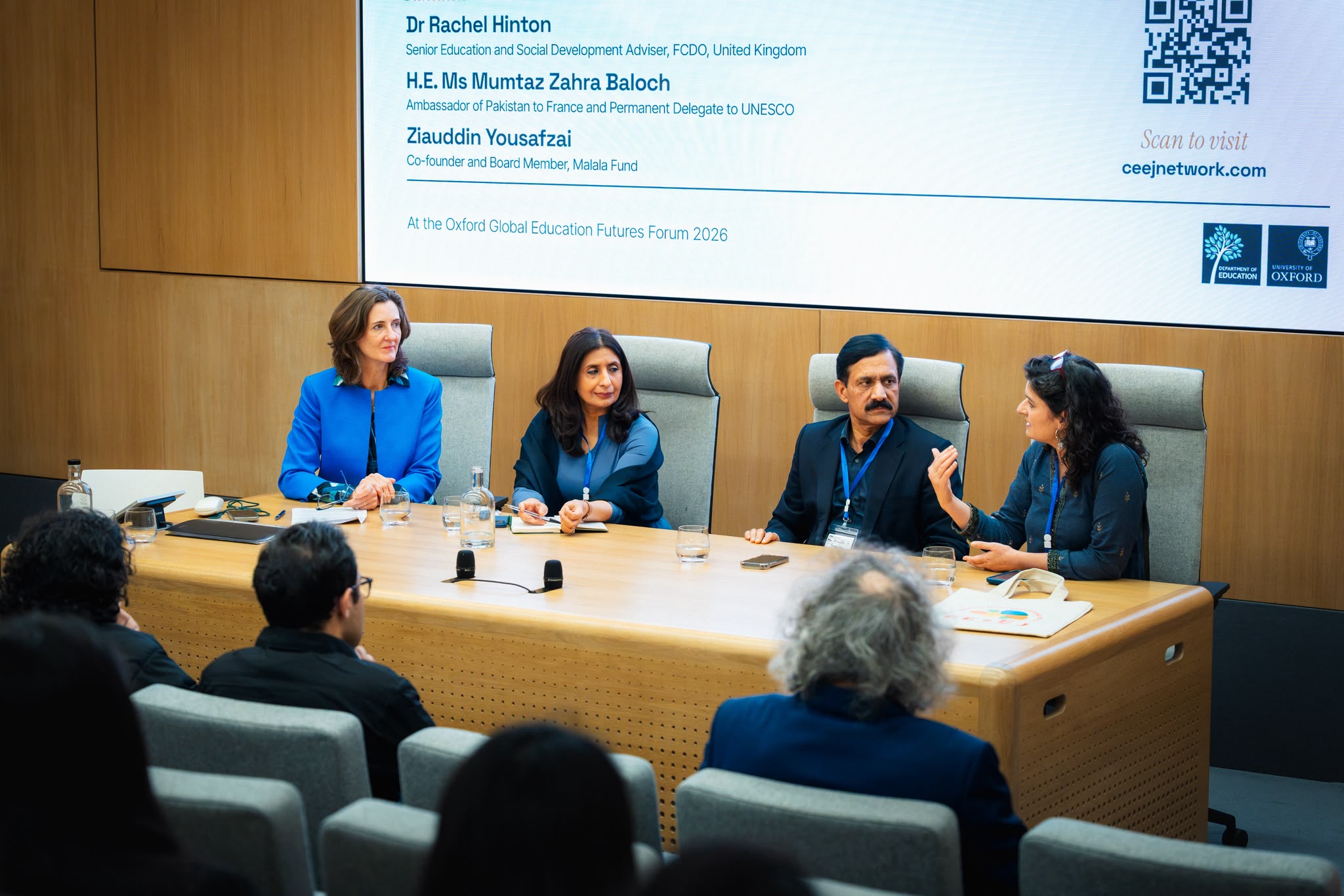
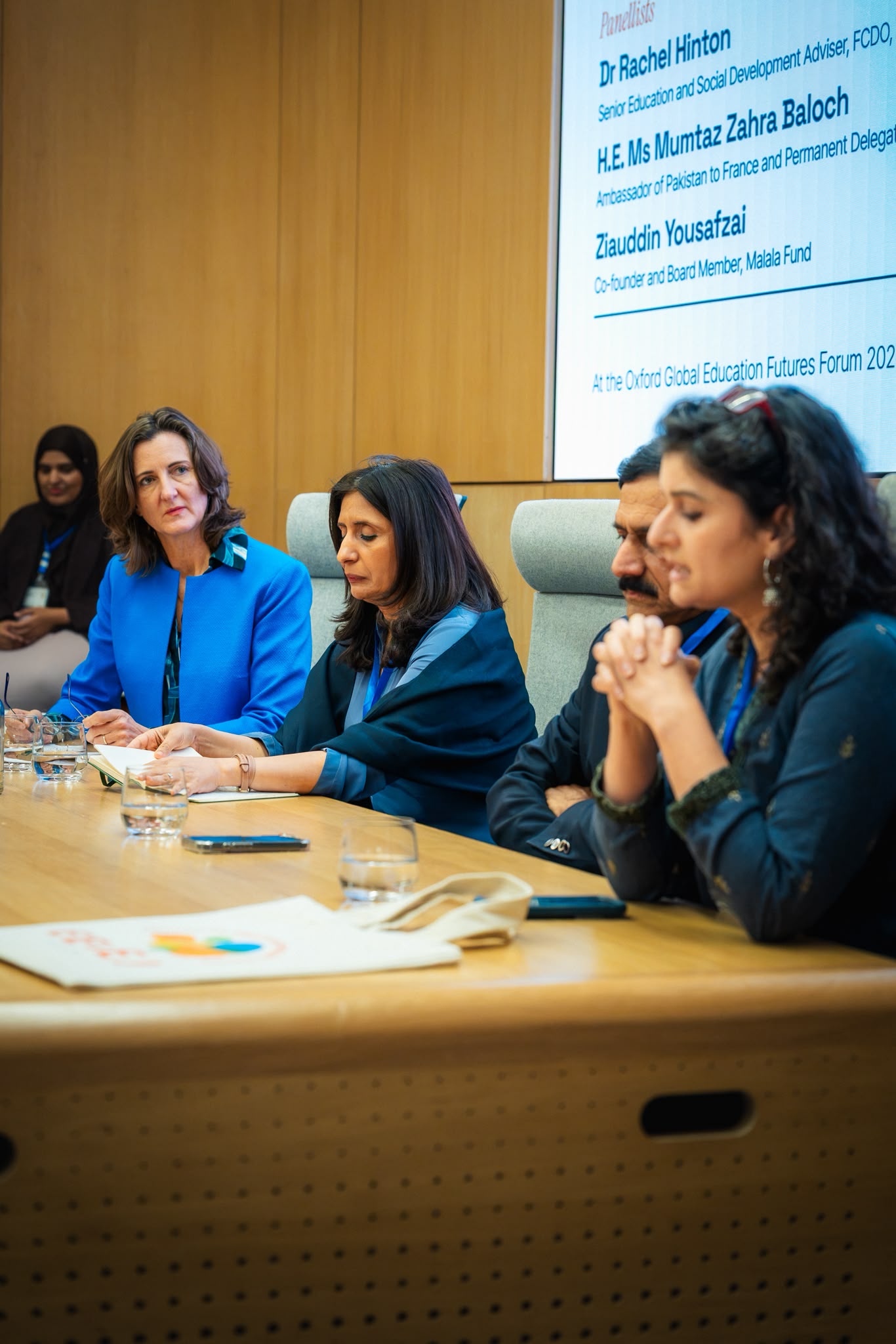
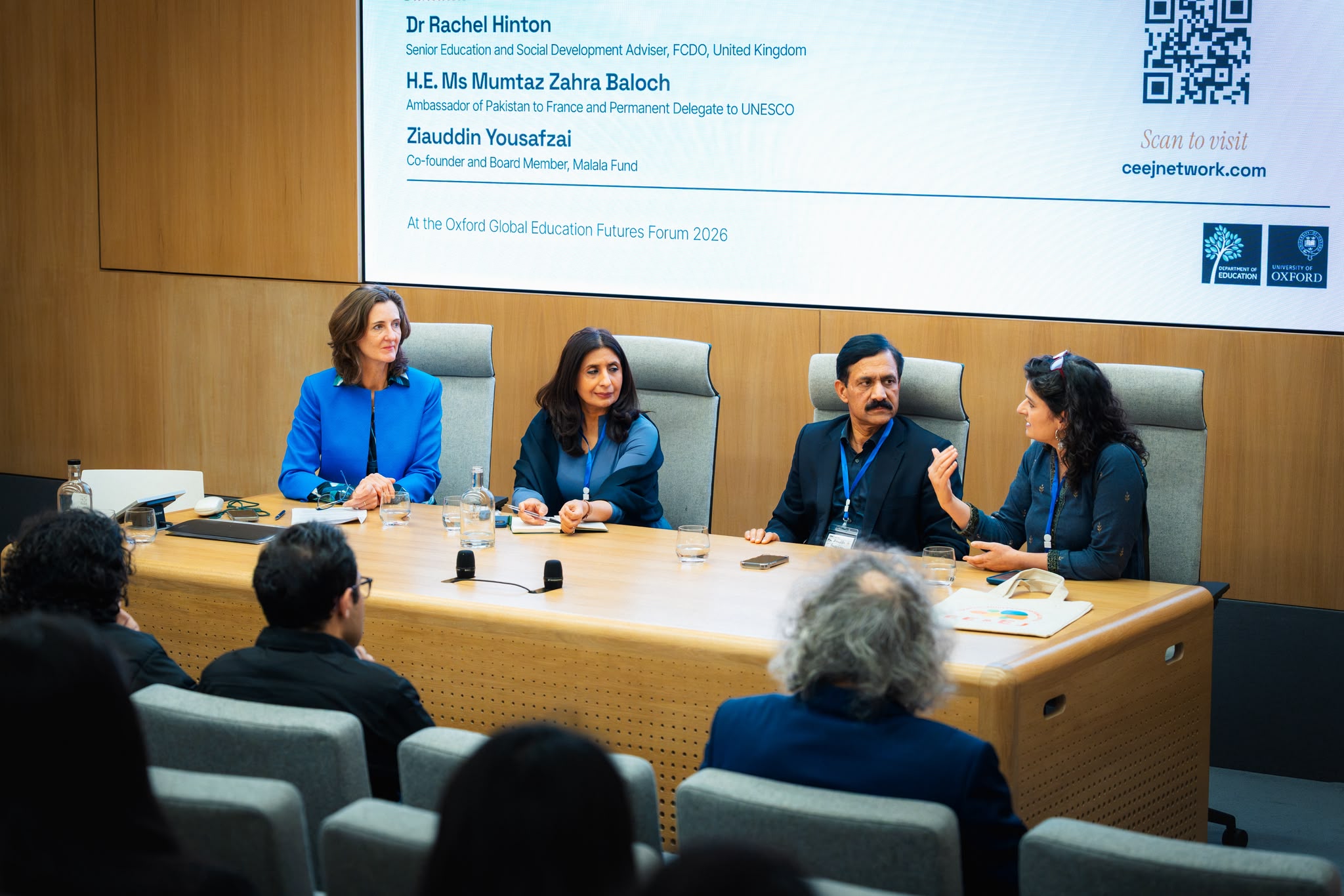
The panel was moderated by Dr Aliya Khalid (University of Oxford) and featured Dr Rachel Hinton, Senior Education and Social Development Adviser at the UK Government’s Foreign, Commonwealth & Development Office (FCDO); H.E. Ms Mumtaz Zahra Baloch, Ambassador of Pakistan to France and Permanent Delegate to UNESCO; and Ziauddin Yousafzai, Co-founder and Board Member of Malala Fund.
Ziauddin Yousafzai pointed to Afghanistan as the starkest example of educational injustice today. He said, “For the last five years, Afghanistan under Taliban rule has become like a graveyard for the dreams of Afghan girls.” Noting that girls in Afghanistan are banned from education, work and free movement, and that Afghan women’s rights activists and global legal experts describe the situation as gender apartheid, he called on those in power to act: “This situation in Afghanistan should be recognised as a crime against humanity, and it should be codified as a crime against humanity in international law.”
Reflecting on her career working with international donors, Dr Rachel Hinton said ‘Equity can disappear between national policy and the classroom. A reform may be formally universal, while differences in teacher stability, language, infrastructure, local capability and political attention mean that children experience it very differently’. H.E. Ms Mumtaz Zahra Baloch congratulated the Network’s founders, saying, “I congratulate Dr Aliya Khalid and her team on the launch of this network. I am confident it will grow into a key actor in promoting equity in educational systems and making impactful change in societies.”
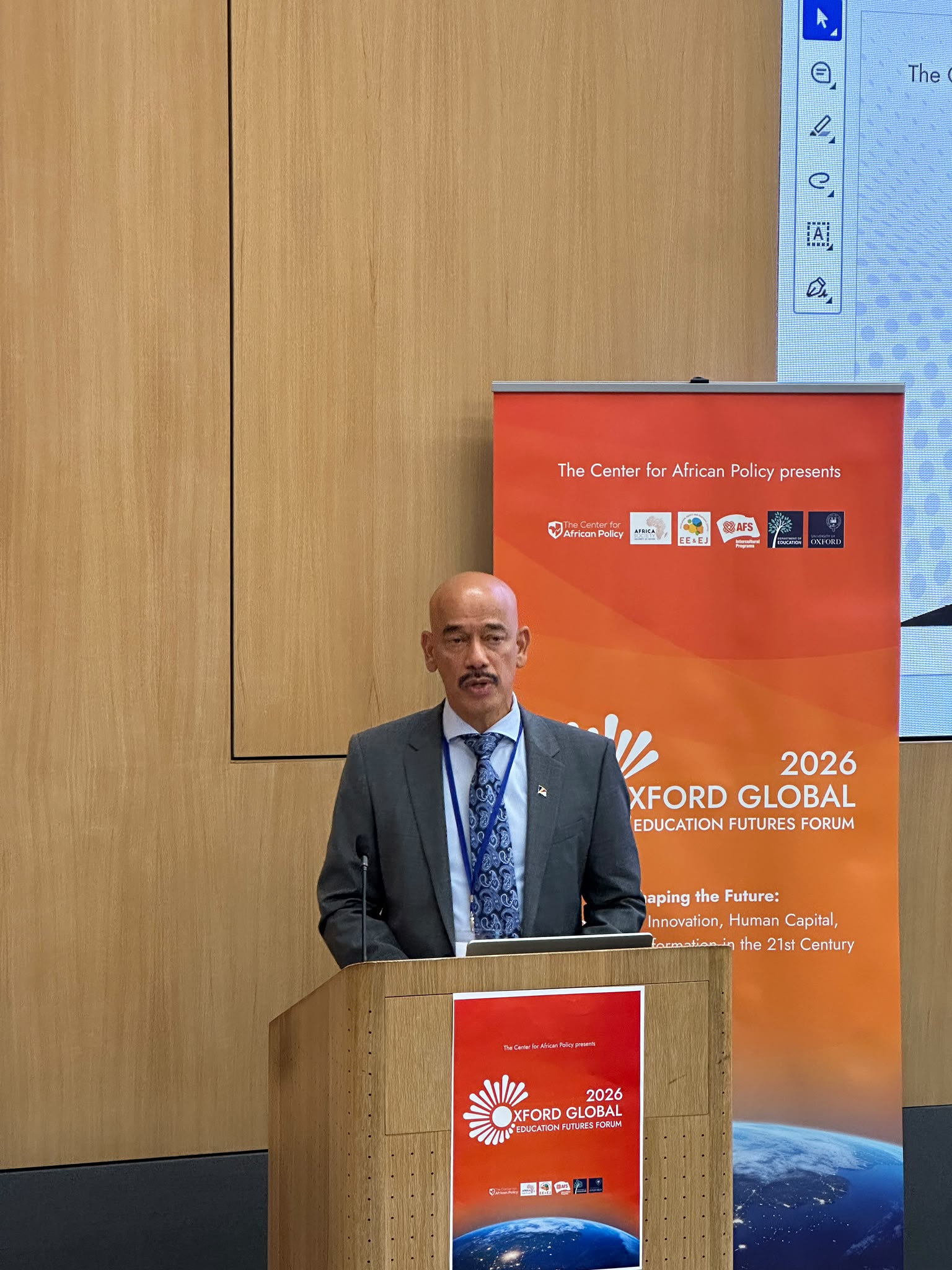
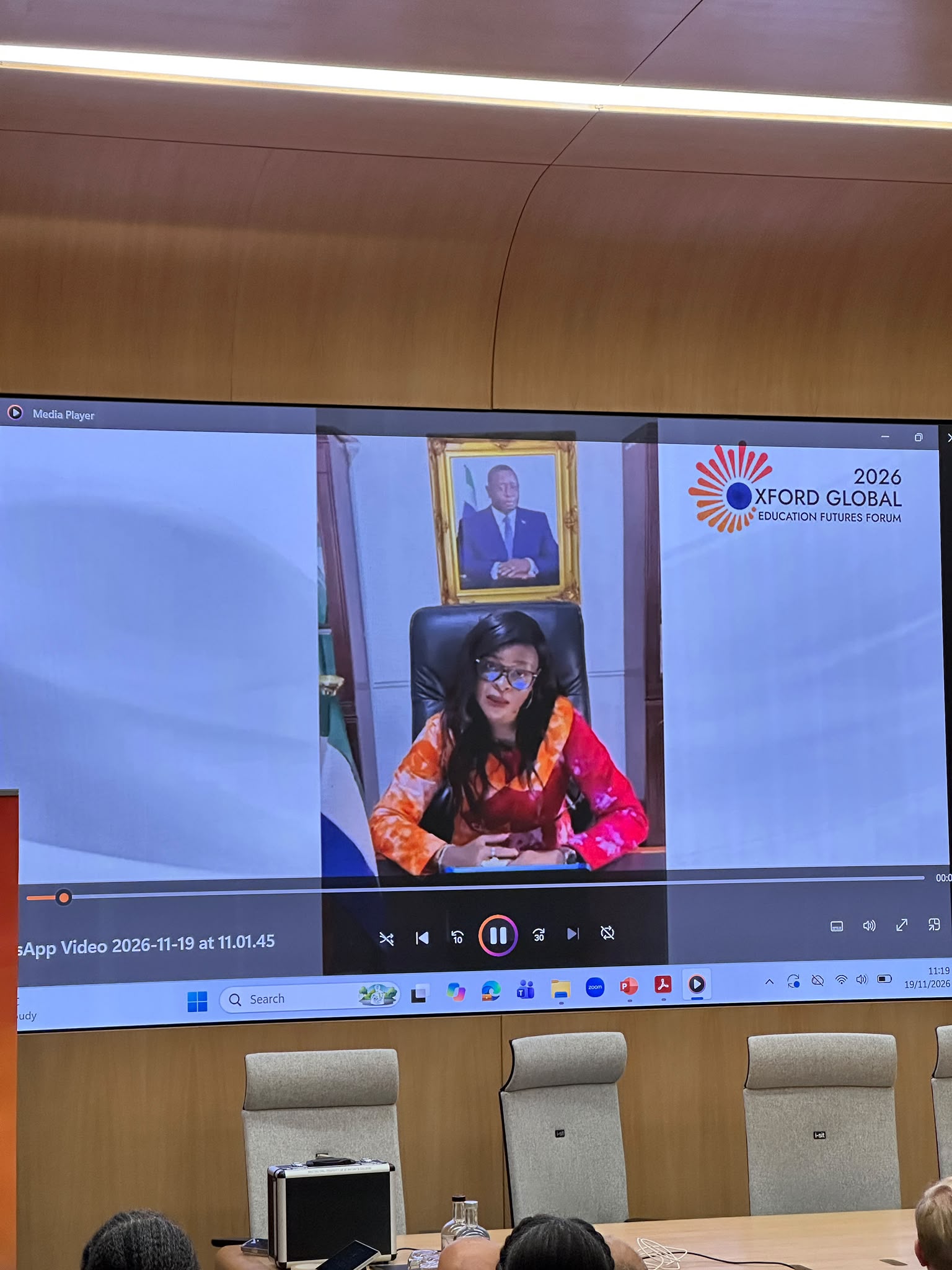
The launch followed the Oxford Global Education Futures Forum on 19 November, organised with The Center for African Policy, the Africa Society of the University of Oxford and AFS Intercultural Programs, and opened by Professor Velda Elliott, Professor of English and Education and Director for Graduate Studies at the Department of Education. In her ministerial address, Hon. Dr Haja Ramatulai Wurie, Minister of Technical and Higher Education of Sierra Leone, said that access alone is no longer a sufficient measure of progress: “The future of Africa will depend not only on how much we invest in education, but on how effectively we translate that investment into skills, into knowledge, into innovation and productive human capital.” Hon. David Pierre, Minister of Education and Human Resource Development of Seychelles, also delivered a ministerial address. Mr Daniel Obst, President and CEO of AFS Intercultural Programs, set out AFS’s vision of developing active global citizens through intercultural learning, meaningful engagement and real-world changemaking.
The Forum also featured research presentations by Dr David Johnson, Reader in Comparative and International Education at the University of Oxford, and by emerging Oxford scholars Khansa Maria, Nadia Talukder, Pronita Dutta, Zagham Nawaz, Rameen Iftikhar and Ramsha Fatima.
The launch was convened by Dr Aliya Khalid, Wantoe Teah Wantoe, Khansa Maria, Rameen Iftikhar, Ramsha Fatima, Pronita Dutta, Nadia Talukder and Zagham Nawaz. The Network will announce its upcoming events on Instagram (@eeej.network) and LinkedIn (linkedin.com/in/education-equity-and-epistemic-justice-research-network-bb17b9450), and invites researchers, practitioners and policymakers to stay connected as it brings people together in the months ahead.
For more information and digital copies of the press release please call/WhatsApp Ramsha Fatima on +92 322 8426517 or email ramsha.fatima@education.ox.ac.uk
List of attendees:
- Dr Rachel Hinton, Senior Education and Social Development Adviser FCDO United Kingdom Government
- E Ms Mumtaz Zahra Baloch, Ambassador of Pakistan to France and permanent delegate to UNESCO
- Mr Ziauddin Yousafzai, Co-Founder and board member Malala Fund
- Professor Leon Feinstein, Director of the Department of Education, University of Oxford
- Professor Velda Elliott, Director of Graduate Studies, Department of Education, University of Oxford
- Dr Pelagia Goulimari, Co-director, Intersectional Humanities, The Oxford Research Centre in the Humanities (TORCH), University of Oxford
- Hon David Pierre, Minister for Education and Human Resources Development, The Republic of Seychelles
- Hon Dr. Haja Ramatulai Wurie, Minister of Technical and Higher education, Republic of Sierra Leone
- Daniel Obst, President and Chief Executive Officer AFS Intercultural Programmes
- Dr David Johnson, Reader University of Oxford
Co-convenors and organising committee
Dr Aliya Khalid, Khansa Maria, Zagham Nawaz, Pronita Dutta, Wantoe Teah Wantoe, Ramsha Fatima and Rameen Iftikhar
Oxford, 20 November 2026 – The Department of Education at the University of Oxford formally launched the Education, Equity and Epistemic Justice (EE&EJ) Research Network today at St Antony’s College, as part of the Oxford Global Education Futures Forum 2026. Dr Aliya Khalid noted, ‘the EE&EJ network makes Oxford home for the conversations about a fair education for every child. We listen to the children, parents, communities and educators’. The launch was marked by a high-level panel, “Development, Equity and Education for All”, which brought together policymakers, diplomats, education advocates, academics and students to discuss whose knowledge shapes education and how education systems can reach the learners they too often leave behind. One of the co-convenors and organisers Khansa Maria described the network as a movement and invited the attendees to join in.
The event was formally opened by Professor Leon Feinstein, Director of the Department of Education, who welcomed guests to the launch.
The panel was moderated by Dr Aliya Khalid (University of Oxford) and featured Dr Rachel Hinton, Senior Education and Social Development Adviser at the UK Government’s Foreign, Commonwealth & Development Office (FCDO); H.E. Ms Mumtaz Zahra Baloch, Ambassador of Pakistan to France and Permanent Delegate to UNESCO; and Ziauddin Yousafzai, Co-founder and Board Member of Malala Fund.
Ziauddin Yousafzai pointed to Afghanistan as the starkest example of educational injustice today. He said, “For the last five years, Afghanistan under Taliban rule has become like a graveyard for the dreams of Afghan girls.” Noting that girls in Afghanistan are banned from education, work and free movement, and that Afghan women’s rights activists and global legal experts describe the situation as gender apartheid, he called on those in power to act: “This situation in Afghanistan should be recognised as a crime against humanity, and it should be codified as a crime against humanity in international law.”
Reflecting on her career working with international donors, Dr Rachel Hinton said ‘Equity can disappear between national policy and the classroom. A reform may be formally universal, while differences in teacher stability, language, infrastructure, local capability and political attention mean that children experience it very differently’. H.E. Ms Mumtaz Zahra Baloch congratulated the Network’s founders, saying, “I congratulate Dr Aliya Khalid and her team on the launch of this network. I am confident it will grow into a key actor in promoting equity in educational systems and making impactful change in societies.”
The launch followed the Oxford Global Education Futures Forum on 19 November, organised with The Center for African Policy, the Africa Society of the University of Oxford and AFS Intercultural Programs, and opened by Professor Velda Elliott, Professor of English and Education and Director for Graduate Studies at the Department of Education. In her ministerial address, Hon. Dr Haja Ramatulai Wurie, Minister of Technical and Higher Education of Sierra Leone, said that access alone is no longer a sufficient measure of progress: “The future of Africa will depend not only on how much we invest in education, but on how effectively we translate that investment into skills, into knowledge, into innovation and productive human capital.” Hon. David Pierre, Minister of Education and Human Resource Development of Seychelles, also delivered a ministerial address. Mr Daniel Obst, President and CEO of AFS Intercultural Programs, set out AFS’s vision of developing active global citizens through intercultural learning, meaningful engagement and real-world changemaking.
The Forum also featured research presentations by Dr David Johnson, Reader in Comparative and International Education at the University of Oxford, and by emerging Oxford scholars Khansa Maria, Nadia Talukder, Pronita Dutta, Zagham Nawaz, Rameen Iftikhar and Ramsha Fatima.
The launch was convened by Dr Aliya Khalid, Wantoe Teah Wantoe, Khansa Maria, Rameen Iftikhar, Ramsha Fatima, Pronita Dutta, Nadia Talukder and Zagham Nawaz. The Network will announce its upcoming events on Instagram (@eeej.network) and LinkedIn (linkedin.com/in/education-equity-and-epistemic-justice-research-network-bb17b9450), and invites researchers, practitioners and policymakers to stay connected as it brings people together in the months ahead.
For more information and digital copies of the press release please call/WhatsApp Ramsha Fatima on +92 322 8426517 or email ramsha.fatima@education.ox.ac.uk
List of attendees:
- Dr Rachel Hinton, Senior Education and Social Development Adviser FCDO United Kingdom Government
- E Ms Mumtaz Zahra Baloch, Ambassador of Pakistan to France and permanent delegate to UNESCO
- Mr Ziauddin Yousafzai, Co-Founder and board member Malala Fund
- Professor Leon Feinstein, Director of the Department of Education, University of Oxford
- Professor Velda Elliott, Director of Graduate Studies, Department of Education, University of Oxford
- Dr Pelagia Goulimari, Co-director, Intersectional Humanities, The Oxford Research Centre in the Humanities (TORCH), University of Oxford
- Hon David Pierre, Minister for Education and Human Resources Development, The Republic of Seychelles
- Hon Dr. Haja Ramatulai Wurie, Minister of Technical and Higher education, Republic of Sierra Leone
- Daniel Obst, President and Chief Executive Officer AFS Intercultural Programmes
- Dr Aliya Khalid, Senior Departmental Lecturer of Comparative and International Education, University of Oxford
Organising committee
Dr Aliya Khalid, Khansa Maria, Zagham Nawaz, Pronita Dutta, Ramsha Fatima and Rameen Iftikhar
Gallery